
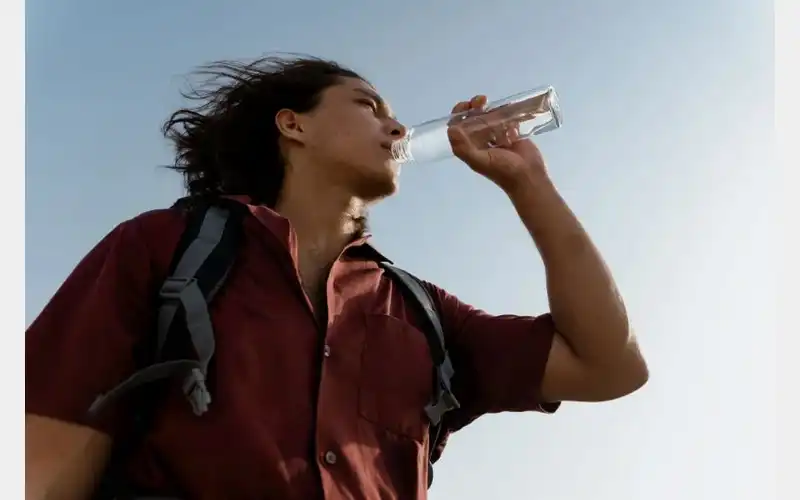
As temperatures climb during the summer months, staying properly hydrated is one of the simplest and most effective ways to protect your health, according to Rachel L. Luckett, Expanded Food and Nutrition Education Program (EFNEP) coordinator for the University of Arkansas at Pine Bluff School of Agriculture, Fisheries and Human Sciences.
Luckett said that adequate hydration helps the body regulate temperature, transport nutrients, lubricate joints and support normal body functions. It also plays an important role in preventing heat-related illnesses, especially for people who spend time outdoors working, exercising or enjoying recreational activities.
“Many people wait until they feel thirsty before they drink water, but thirst is actually a sign that your body is already beginning to lose the fluids it needs,” Luckett said. “Drinking water consistently throughout the day is one of the best ways to stay ahead of dehydration.”
General daily fluid recommendations for healthy adults include about 9 cups (2.2 liters) of fluids per day for women and about 13 cups (3 liters) for men. These totals include both beverages and the water naturally found in foods such as fruits and vegetables.
Dehydration occurs when the body loses more fluids than it takes in. Common warning signs include increased thirst, fatigue, dizziness and dark-colored urine. If dehydration becomes severe, it can contribute to heat exhaustion or other serious heat-related illnesses.
For people working or exercising in hot conditions, Luckett recommends drinking about one cup (8 ounces) of water every 15 to 20 minutes. Taking smaller drinks more frequently is often easier on the body than consuming large amounts at once.
At the same time, she cautioned against drinking excessive amounts of water in a short period. Consuming more than about 48 ounces in an hour can dilute sodium levels in the blood, creating a potentially dangerous medical condition. Anyone experiencing dizziness, lightheadedness or other signs of heat illness should stop physical activity immediately and seek medical attention if symptoms persist or worsen.
Hydration remains important even after work or exercise has ended. Replacing fluids lost through perspiration helps the body recover and reduces the strain caused by dehydration. People who regularly work in hot environments may face an increased risk of health problems such as kidney stones, urinary tract infections and constipation if they remain chronically dehydrated.
Luckett also encourages consumers to pay attention to what they drink. Many energy drinks contain large amounts of caffeine and added sugars. High caffeine intake, especially during periods of heat exposure, may place additional stress on the heart, while sugary beverages contribute unnecessary calories. Alcohol should also be avoided before or after prolonged heat exposure because it can increase dehydration and raise the risk of heat illness.
In addition to drinking water throughout the day, Luckett suggests carrying a reusable water bottle and adding natural flavor with fresh lemon, lime, cucumber slices or basil leaves to encourage more frequent drinking.
Food choices can also support hydration. Fruits such as watermelon, strawberries and cantaloupe, along with vegetables including lettuce, celery, spinach, cabbage and cooked squash, contain more than 90% water. Other hydrating options include oranges, grapes, pears, carrots, broccoli, yogurt, cottage cheese and fat-free milk.
“Eating balanced meals and drinking enough water each day is usually all most healthy people need to maintain proper hydration and electrolyte balance,” Luckett said. “Paying attention to your body’s needs can help you stay healthy and safe throughout the summer.”
Luckett’s recommendations are based on guidance from the U.S. Department of Health and Human Services, the Centers for Disease Control and Prevention, the National Institute for Occupational Safety and Health and the Academy of Nutrition and Dietetics.