
Arkansas consumers are encouraged to take extra precautions when purchasing and preparing fresh produce as federal health officials investigate a multistate outbreak of cyclosporiasis, a gastrointestinal illness caused by the microscopic parasite Cyclospora cayetanensis.
According to the Centers for Disease Control and Prevention, hundreds of confirmed cases have been reported this year, with additional suspected cases under investigation.
While the source has not been identified and no recalls have been issued, officials are urging consumers to practice proper food safety until the investigation is complete.
Although no recalls have been announced, some restaurants have also taken precautionary steps by temporarily adjusting the fresh produce they serve while health officials continue investigating the source of the outbreak.
Cyclospora is spread by consuming food or water contaminated with the parasite, most often through fresh produce exposed to contaminated irrigation water or unsanitary conditions during growing, harvesting or processing.
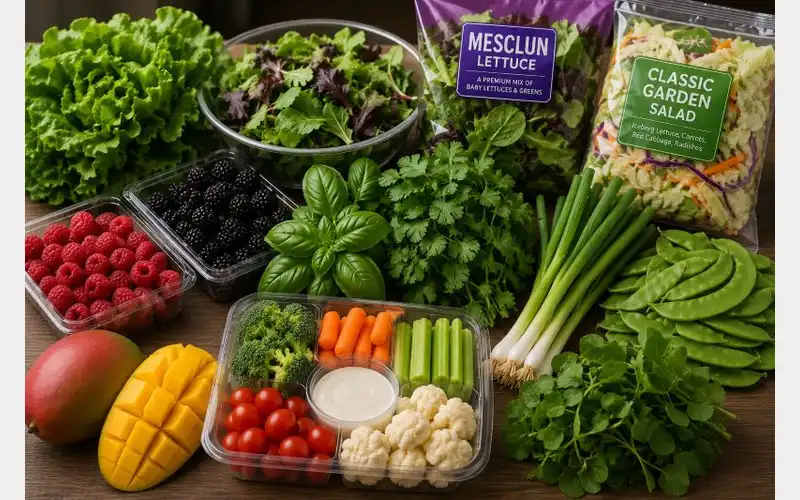
Produce associated with the current investigation or linked to previous Cyclospora outbreaks includes lettuce, salad greens, mesclun lettuce, bagged or pre-packaged salads, raspberries, blackberries, basil, cilantro, green onions, snow peas, watercress, mangoes and vegetable trays.
Health officials emphasize that no specific product or supplier has been identified in the current investigation.
Symptoms typically develop about five to seven days after exposure, although some people may not experience symptoms.
Cyclosporiasis commonly causes watery diarrhea with frequent and sometimes explosive bowel movements.
Other symptoms include nausea, vomiting, stomach cramps, bloating, gas, loss of appetite, weight loss, fatigue, headaches, body aches and low-grade fever.
Many people recover on their own, but severe or prolonged infections can be treated with antibiotics.
Diagnosis requires laboratory testing of stool samples, and anyone experiencing persistent diarrhea or other symptoms should contact a healthcare provider.
Health officials recommend several steps to reduce the risk of infection.
Hands should be washed thoroughly with soap and water before preparing food and after using the restroom, as alcohol-based hand sanitizers are not effective against Cyclospora.
Fresh fruits and vegetables should be washed carefully under running water before eating or preparing them.
Leafy greens should have their outer leaves removed when possible, herbs such as basil and cilantro should have their leaves separated while washing, and green onions should have their roots trimmed and outer layers removed before being rinsed.
Melons should be scrubbed before cutting, and fruits and vegetables should be peeled whenever practical.
Cutting boards, knives and countertops should also be cleaned regularly.
Officials say washing produce with water alone may not completely remove the parasite because it can cling to fruits and vegetables.
Soaking produce in a solution of three parts water and one part vinegar may help remove Cyclospora, but vinegar does not kill the parasite.
Certain produce can also be more difficult to clean thoroughly, including broccoli, cauliflower, berries and root vegetables such as carrots, potatoes and radishes.
Consumers are also encouraged to wash pre-packaged salad mixes before eating them, even if they are labeled as pre-washed.
Cooking produce to an internal temperature of at least 158 degrees Fahrenheit will kill Cyclospora.
Until the source of the outbreak is identified, health officials encourage consumers to continue following safe food handling practices when preparing fresh produce.