Health officials are urging Arkansans to take extra precautions this summer as tick activity appears to be higher than usual, increasing the risk of tick-borne illnesses across the state and nationwide.
According to the Centers for Disease Control and Prevention, emergency department visits related to tick bites have reached their highest levels since 2017 in many parts of the country. Warmer temperatures have contributed to ticks expanding into new areas, while Arkansas is also experiencing what officials believe may be a more active tick season than normal.
Ticks are present year-round in Arkansas, but populations typically peak during the summer and early fall. Their bites can transmit a variety of diseases, making prevention especially important for people spending time outdoors.
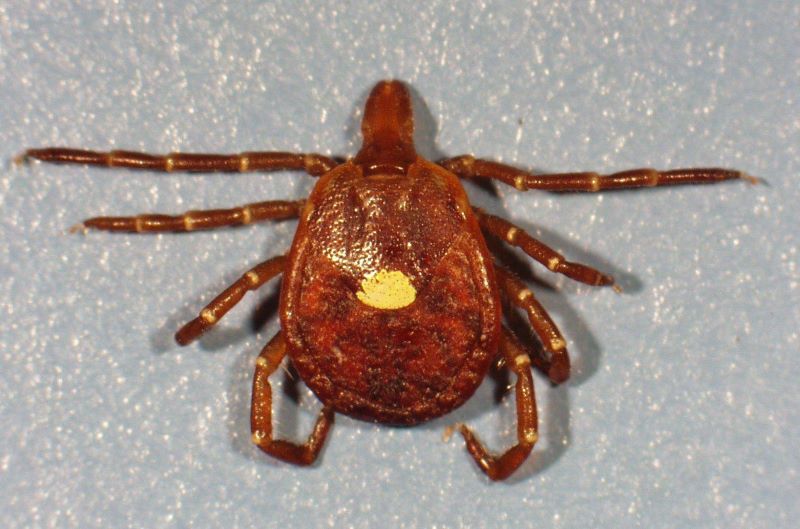
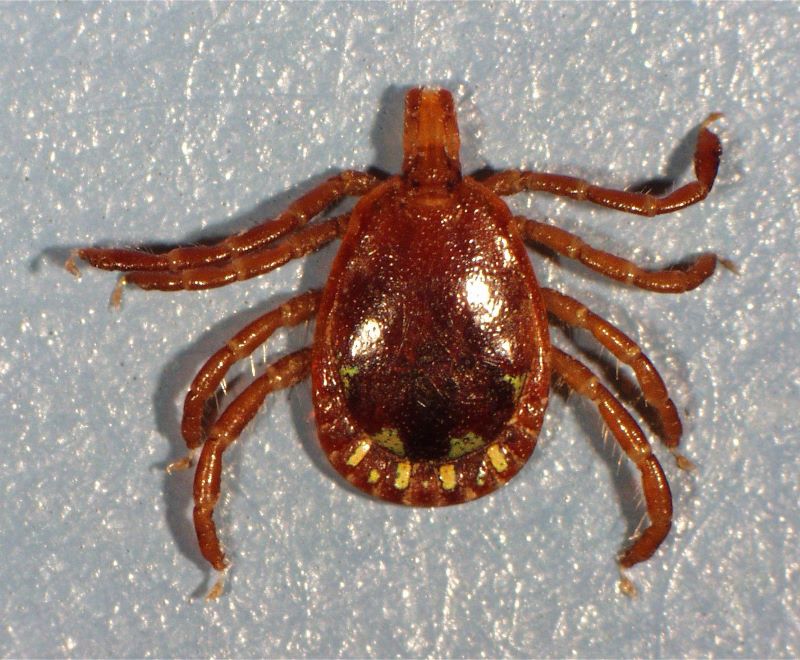
Arkansas remains one of the nation’s hotspots for alpha-gal syndrome, an allergy that can develop after a bite from a lone star tick, which is common throughout the state. The condition causes an immune response to alpha-gal, a sugar molecule found in red meat and some other animal-derived products. Reactions can occur several hours after exposure and range from mild symptoms, such as hives and swelling, to severe allergic reactions, including anaphylaxis. Unlike many other tick-borne illnesses, alpha-gal syndrome has no cure.
The Arkansas Department of Health has received reports of more than 3,000 suspected alpha-gal cases this year. A suspected case indicates blood testing found antibodies associated with alpha-gal exposure, but additional investigation is required before the condition is confirmed. Health officials say not everyone with elevated antibody levels develops the allergy. Last year, the department received 3,782 suspected reports, investigating 431 of them and confirming 301 cases.
Arkansas became the first state in the nation to require laboratories to report suspected alpha-gal cases to the Department of Health in 2023, allowing officials to better monitor the condition’s prevalence.
While alpha-gal syndrome has received increased attention in Arkansas, it is not the only concern. Health officials across the country are also monitoring illnesses carried by ticks, including Lyme disease and the rare but potentially serious Powassan virus, which can affect the central nervous system.
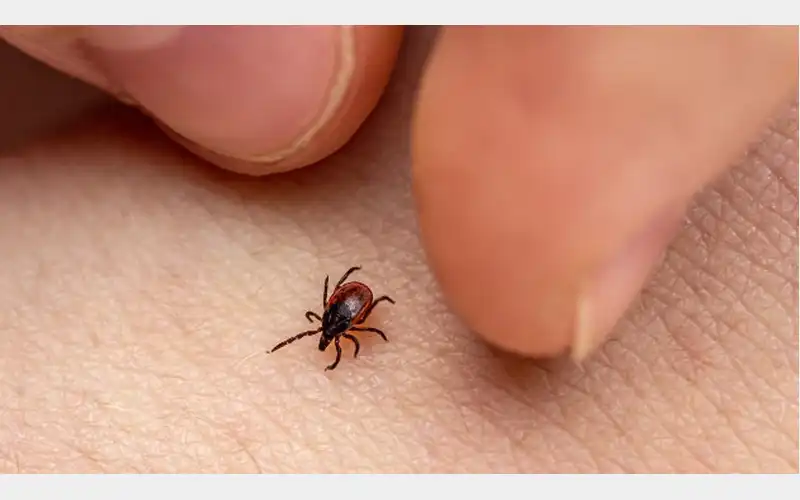
Experts recommend several steps to reduce the risk of tick bites, including wearing long sleeves and pants when possible, tucking pant legs into socks, applying insect repellents, and treating clothing with permethrin. People should also perform thorough tick checks after spending time outdoors and remove attached ticks as quickly as possible with fine-tipped tweezers or a tick-removal tool. Removing a tick within 24 hours can help reduce the risk of certain diseases, including Lyme disease.
Anyone who develops a rash, fever, or other unusual symptoms after a tick bite should contact a healthcare provider promptly.