
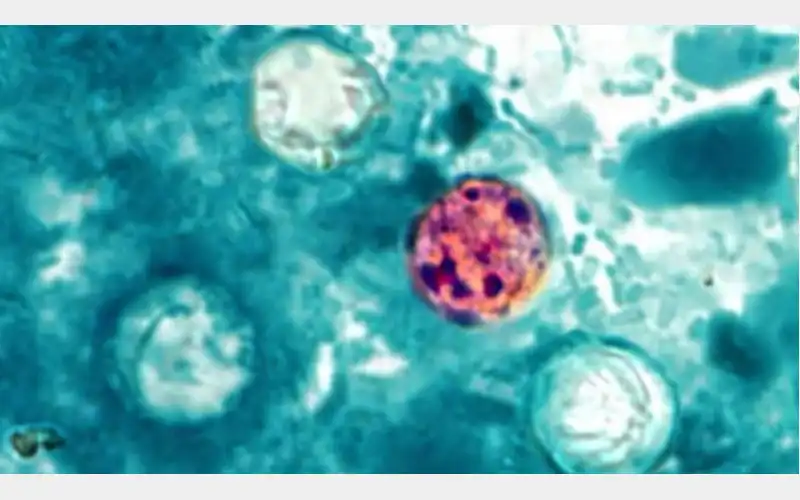
The number of reported cyclosporiasis cases in Arkansas continues to increase as health officials track a nationwide outbreak involving the intestinal parasite.
According to the Arkansas Department of Health, the state had 92 reported cases of cyclosporiasis as of its Monday evening update.
The number increased from 79 cases reported by ADH on Friday and from 35 cases reported on July 17th. The state initially reported 10 cases of the illness on July 14th.
The latest update did not include a breakdown of Arkansas counties with more than 10 reported cases, which was included in the previous update.
The U.S. Centers for Disease Control and Prevention reported 1,947 laboratory-confirmed cases nationwide as of July 24th connected to an ongoing outbreak investigation linked to contaminated iceberg lettuce from Taylor Farms de Mexico.
The outbreak has been linked to certain recalled Marketside brand iceberg salad and shredded lettuce products sold at Walmart.
The recalled products include 12- and 24-ounce bags of Marketside Iceberg Salad and 8- and 16-ounce bags of Marketside Shredded Lettuce with best-if-used-by dates ranging from July 18th through August 3rd, 2026.
The recalled lettuce was distributed to several states, including Arkansas.
Cyclosporiasis is caused by the parasite Cyclospora cayetanensis and affects the intestinal tract.
Symptoms can include watery diarrhea, stomach cramps, loss of appetite, weight loss, nausea and fatigue.
Symptoms may last for weeks and can return after appearing to improve.
Health officials also advise people who believe they may have cyclosporiasis to seek medical care for proper testing and treatment rather than relying on unproven remedies.
The illness has a specific treatment that can be prescribed by healthcare providers once a diagnosis is confirmed.
Health officials say the parasite is not spread through normal person-to-person contact.
Cases are generally linked to consuming contaminated food or water.
Officials note that reported cases may continue to increase after a food recall because identifying outbreak-related infections can take time.
Patients must become ill, seek medical care, receive testing and be linked to an outbreak investigation before cases are added to official counts.
Consumers who have recalled lettuce products should not attempt to wash and eat them.
Health officials recommend throwing away recalled products or returning them for a refund.
The Arkansas Department of Health updates its cyclosporiasis case numbers each Monday and Friday.