
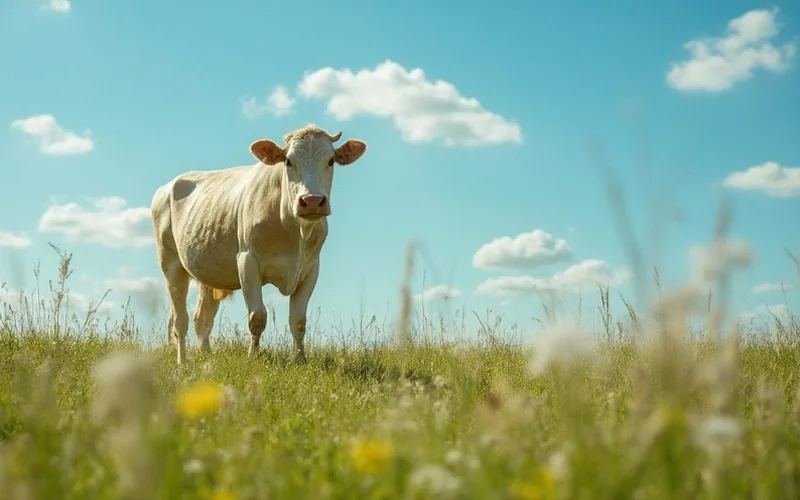
As high summer temperatures continue across Arkansas, livestock specialists are encouraging cattle producers to take extra precautions to protect their herds from heat stress while managing the ongoing effects of drought on pastures and forage supplies.
According to the University of Arkansas Division of Agriculture, drought conditions have eased somewhat in northern and northwestern Arkansas but have intensified across southeastern and northeastern portions of the state.
Much of Arkansas remains in moderate to severe drought, with some areas experiencing extreme drought conditions.
Prolonged dry conditions have reduced forage quality and delayed hay harvests in some areas. While scattered rainfall has helped some producers establish summer annual forages such as crabgrass, sorghum-sudangrass and pearl millet, many pastures continue to struggle from a lack of consistent moisture, particularly warm-season grasses like bahiagrass.
The drought has also complicated pasture management by increasing weed pressure while limiting opportunities to apply herbicides without damaging desirable forage.
Producers are also facing higher input costs for fertilizer and other supplies.
Livestock specialists say maintaining adequate water supplies is one of the most important steps producers can take during periods of extreme heat.
Fresh, clean drinking water should be available at all times, as stagnant ponds and creeks can develop algae and bacteria that make them less suitable for livestock.
Water consumption can increase significantly during hot weather, making consistent access essential.
Heat stress can also reduce the nutritional value of forage by lowering protein and energy levels. Producers are encouraged to evaluate forage quality and supplement cattle diets with additional protein, energy and minerals when needed.
Rotational grazing can also help prevent overgrazing and preserve available pasture.
Providing shade is another key recommendation. Natural tree cover, barns or temporary shade structures can help reduce heat exposure during the hottest parts of the day.
Specialists also recommend avoiding handling or transporting cattle during the afternoon, when temperatures are highest.
Instead, cattle should be worked during the early morning or late evening to reduce stress.
Adjusting feeding schedules may also help cattle better tolerate high temperatures.
Feeding later in the day allows much of the heat generated during digestion to occur overnight when temperatures are cooler.
Producers should also continue monitoring water, hay and feed inventories throughout the summer as drought conditions can quickly reduce available resources.
Signs of heat stress in cattle include excessive panting, rapid breathing, lethargy, disorientation and reduced feed intake.
Animals showing signs of overheating should be moved to a shaded area immediately, provided with cool drinking water and exposed to moving air to help lower their body temperature.
Agriculture experts also note that drought management extends beyond daily care. Producers are encouraged to routinely evaluate forage availability, water supplies and herd condition while making management decisions early if drought persists.
In prolonged dry conditions, that may include early weaning of calves, strategic supplementation or selective culling to better match herd size with available resources.
Extension specialists say preparing before conditions worsen can help producers maintain herd health, protect pasture resources and reduce the long-term impacts of drought and extreme heat.