
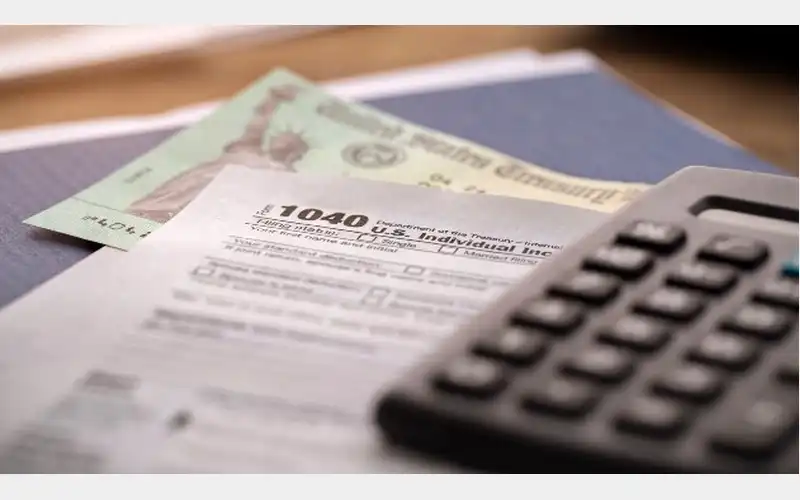
Taxpayers who paid certain IRS penalties or interest during the COVID-19 pandemic have until Friday, July 10, to file a claim for a possible refund.
The deadline follows the ongoing court case Kwong v. United States. A federal judge ruled that COVID-19 emergency laws extended certain tax filing and payment deadlines between Jan. 20, 2020, and July 10, 2023.
If that decision is ultimately upheld, some taxpayers who were charged penalties or interest during that period could qualify to receive refunds or have unpaid penalties reduced.
According to the IRS, more than 120 million penalties were assessed during that time for filing tax returns late, paying taxes late or missing estimated tax payments.
Although the case is still being appealed and refunds are not guaranteed, the National Taxpayer Advocate is encouraging eligible taxpayers to file a claim before the July 10 deadline to protect their ability to receive a refund if the court’s ruling is upheld.
Taxpayers who paid or still owe penalties for filing or paying taxes late, missed estimated tax payments or filed certain international tax forms late during the eligible period may qualify. Some taxpayers who were charged interest during that time may also be eligible for relief.
The IRS recommends reviewing tax account records, also known as tax transcripts, through an IRS Online Account to determine whether penalties or interest were assessed during the affected period.
Claims must be submitted using Form 843, Claim for Refund and Request for Abatement. Eligible individual taxpayers can now file the form electronically through an IRS Online Account using the agency’s mobile-friendly forms, while paper forms remain available for those who prefer to file by mail.
Tax professionals recommend filing before the deadline rather than waiting for the court case to be resolved, as missing the filing deadline could prevent eligible taxpayers from seeking a refund if the ruling is ultimately upheld.